How to Effectively Sanitize Shared Rehab Equipment for Safety?

Time:2026-05-11 Author:Ethan
0%

Proper sanitization of shared rehabilitation equipment is crucial for maintaining safety and hygiene. With the increasing use of such equipment in therapy settings, understanding **how to properly sanitize shared rehabilitation equipment** is more important than ever. Physical therapy tools can harbor bacteria and germs. Therefore, not addressing sanitation may lead to infections or cross-contamination.

In practice, many therapists may overlook specific steps in the cleaning process. For instance, wiping down equipment after each use is often skipped. This oversight can pose serious risks to patients. Additionally, the choice of cleaning products is vital. Some chemicals may not effectively eliminate pathogens while others can damage equipment. Using the correct methods ensures the longevity of tools and the safety of users.

Pathogens can linger on surfaces, challenging professionals to ensure proper sanitization. A one-size-fits-all approach may not be effective. Engaging with diverse cleaning protocols tailored to specific equipment types is essential. Continuous training and knowledge updating for staff on new sanitization techniques can foster a safer environment. Ultimately, it’s about creating a balance between effective cleaning and preserving the integrity of equipment.
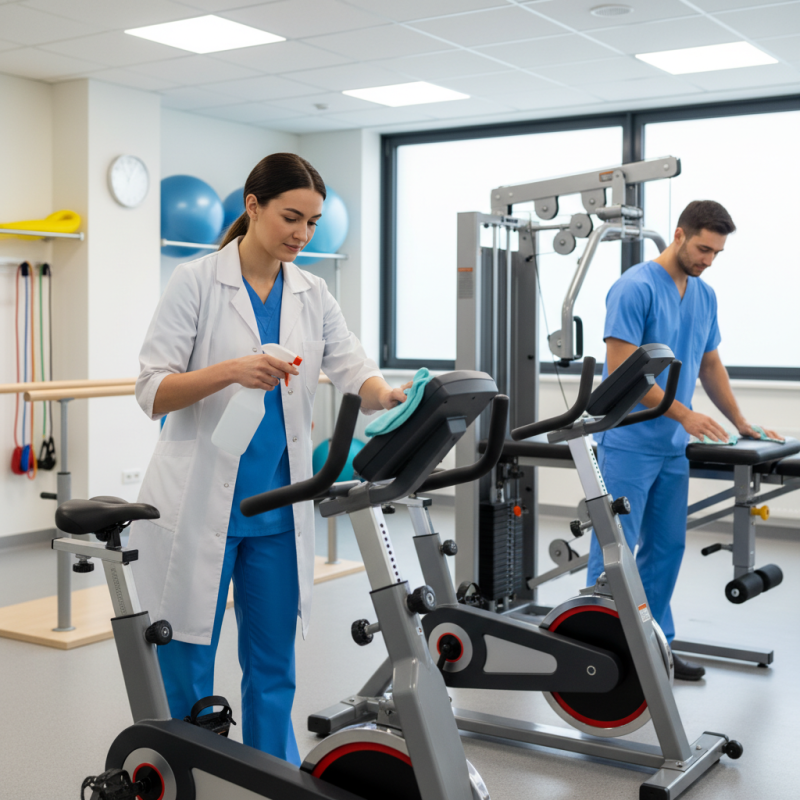
How to Effectively Sanitize Shared Rehab Equipment for Safety?

Understanding the Importance of Sanitizing Shared Rehab Equipment

Sanitizing shared rehabilitation equipment is crucial for the safety of patients. With a rise in healthcare-associated infections, proper cleaning protocols are more important than ever. According to the World Health Organization, about 7% of patients in developed countries acquire infections in hospitals. This statistic highlights the necessity of effective sanitization practices.

A study published in the American Journal of Infection Control shows that many 치료기구 can harbor pathogens if not cleaned properly. The study found that over 50% of surfaces on rehabilitation equipment tested positive for harmful bacteria. Such numbers urge professionals to adopt consistent sanitization procedures. Utilizing EPA-approved disinfectants can help reduce pathogen loads significantly.

Engaging patients in discussions about equipment cleanliness is essential. They must feel comfortable using shared tools. However, awareness of hygiene practices varies among institutions. Some facilities struggle to implement comprehensive training for staff on sanitization protocols. Regular audits and staff training can improve compliance. This creates a culture of hygiene and safety. Failing to recognize the importance of sanitizing shared equipment can lead to dire consequences for vulnerable populations.

Common Pathogens Found on Rehab Equipment and Their Risks

Shared rehabilitation equipment often harbors various pathogens that pose serious health risks. Research shows that nearly 70% of gym equipment surfaces test positive for bacteria, including Staphylococcus aureus and E. coli. These bacteria can lead to infections, particularly in vulnerable populations like those in rehabilitation settings. The potential for cross-contamination is significant, as users frequently share equipment without proper sanitation measures.

In a study published in the Journal of Applied Microbiology, it was found that MRSA can survive on surfaces for several days. This highlights the need for effective cleaning protocols. Despite best efforts, sanitization practices are not always followed consistently. A survey indicated that 40% of fitness centers do not implement routine equipment disinfection. This reflects a gap in safety measures that could put patients at risk.

Efforts to enhance sanitization are critical. Finding evidence-based protocols can minimize the risks associated with shared rehab equipment. Regular cleaning with EPA-approved disinfectants is fundamental. Additionally, training staff on proper cleaning techniques and encouraging users to wipe down equipment can foster a safer environment. Improving these practices is essential to safeguard public health.

Step-by-Step Guide to Effective Sanitization Techniques

Shared rehabilitation equipment can harbor harmful pathogens if not sanitized properly. A 2022 report from the Centers for Disease Control and Prevention noted that improper cleaning can contribute to 30% of healthcare-associated infections. Understanding effective sanitization techniques is crucial in reducing these risks.

Begin with a thorough physical cleaning. Remove visible debris from the equipment using disposable wipes or cloths. Pay special attention to high-touch surfaces. Using a damp cloth should suffice for most dirt. However, specialized tools may be necessary for stubborn spots. After cleaning, apply an EPA-approved disinfectant. Keep the surface wet for the recommended contact time, usually between 1 to 10 minutes. According to the World Health Organization, this step is essential for eliminating viruses and bacteria effectively.

Finally, let the equipment air dry. This may seem counterintuitive, but air drying enhances disinfectant efficacy. Regular training for staff on sanitization protocols is vital. Reports indicate that consistent education on these practices leads to improved compliance and a significant drop in infection rates. Reflecting on these methods can help identify areas for improvement.

How to Effectively Sanitize Shared Rehab Equipment for Safety? - Step-by-Step Guide to Effective Sanitization Techniques

Equipment Type Sanitization Method Frequency Notes
Treadmill Wipe with disinfectant wipes After each use Focus on handles and panels
Resistance Bands Soak in warm soapy water, rinse Daily Ensure they dry completely
Exercise Mats Spray with disinfectant, air dry After each session Store in a clean, dry area
dumbbells Wipe with disinfectant spray After each use Pay attention to grips
Stationary Bikes Disinfect all touchpoints After each use Check for proper ventilation

Best Practices for Training Staff on Equipment Hygiene Protocols

Training staff on hygiene protocols for shared rehab equipment is essential. According to a 2022 study by the American Physical Therapy Association, improper sanitation can lead to outbreaks of infections in rehab facilities. Regular training sessions help ensure that staff members understand the importance of cleanliness. A well-informed team can significantly reduce the risk of cross-contamination.

One useful tip is to conduct weekly training refreshers. These sessions can be brief but effective. Staff can share experiences and discuss best practices. Another effective method involves using visual aids. Posters or digital displays can serve as constant reminders of hygiene protocols.

Controlling the environment is also vital. Regular audits can identify gaps in equipment sanitation. If a piece of equipment is missed, it can become a breeding ground for germs. Staff should also be encouraged to voice concerns about any observed lapses in hygiene practices. Creating an open dialogue fosters accountability. Implementing a checklist system can further ensure that all procedures are followed meticulously.

Usage Frequency of Shared Rehab Equipment (Weekly)

Evaluating the Effectiveness of Sanitization Products and Methods

When evaluating sanitization products and methods for shared rehab equipment, effectiveness is key. Understanding how various products work is essential. Most studies indicate that alcohol-based solutions can eliminate a range of pathogens. However, they may not be effective against all viruses. This gap highlights the need for a comprehensive approach to sanitization.

Additionally, the method of application matters. Wiping surfaces with a disinfectant can miss hard-to-reach areas. This emphasizes the importance of thoroughness in sanitization practices. Inconsistent practices could lead to harmful bacteria remaining on equipment. Observations suggest that teams often overlook equipment corners and crevices. Refining cleaning protocols may address these shortcomings.

Testing different products is equally important. While some may claim superior effectiveness, rigorous testing reveals mixed results. Users must consider contact time and surface type. A product that works well on one material might fail on another. Regular review of techniques and products used can enhance safety measures. Continuous education on sanitization fosters a culture of safety in rehab settings, ensuring better health outcomes.

FAQS

: What pathogens are commonly found on rehab equipment?

: Common pathogens include Staphylococcus aureus and E. coli. These can lead to serious infections.

How prevalent is bacteria on gym equipment?

Research shows about 70% of gym surfaces test positive for bacteria. This is alarming for health risks.

What are the risks associated with shared rehab equipment?

There is a significant risk of cross-contamination. Users often share equipment without proper sanitation.

How long can MRSA survive on surfaces?

MRSA can survive for several days on surfaces. This emphasizes the need for effective cleaning protocols.

Do most fitness centers practice routine disinfection?

A survey found that 40% of fitness centers do not disinfect equipment regularly. This presents a safety gap.

What cleaning methods are recommended for rehab equipment?

Regular cleaning with EPA-approved disinfectants is crucial. Training staff on cleaning techniques is also important.

Why is thoroughness important in sanitization?

Wiping surfaces may miss hard-to-reach areas. Inconsistent cleaning could allow harmful bacteria to remain.

Are alcohol-based solutions effective against all pathogens?

Alcohol-based solutions are effective against many pathogens, but not all viruses. A comprehensive approach is necessary.

How can cleaning protocols be improved?

Regularly review and test different products and methods. Continuous education on sanitization is key for safety.

What should users do after using rehab equipment?

Users should be encouraged to wipe down equipment. This helps foster a safer environment for everyone.

Conclusion

Sanitizing shared rehabilitation equipment is crucial to prevent the spread of infections and ensure patient safety. Understanding the importance of this practice involves recognizing the common pathogens that can accumulate on these surfaces, such as bacteria and viruses, which pose significant health risks to patients and staff alike.

To address the question of how to properly sanitize shared rehabilitation equipment, a step-by-step guide detailing effective sanitization techniques is essential. Additionally, training staff on proper equipment hygiene protocols and evaluating the effectiveness of various sanitization products and methods are key best practices. By implementing these strategies, healthcare facilities can maintain a safe environment that prioritizes the health of all individuals utilizing shared rehabilitation equipment.

Ethan

Ethan

Ethan is a seasoned marketing professional with a deep expertise in our company's innovative product line. With a passion for sharing knowledge and insights, he takes the lead in regularly updating our corporate blog, where he explores industry trends, product features, and effective marketing......