Choosing the right nursing home bed is crucial for comfort and care. High-quality beds can significantly impact residents' well-being. When contemplating a nursing home bed, many might wonder, “What features should I look for in a nursing home care bed?” This question is essential for ensuring that loved ones receive the best possible support.
A good nursing home bed offers adjustable settings for comfort. This flexibility allows caregivers to assist residents more easily. Beds with built-in safety features are also vital. They help prevent falls and enhance security for users. Material quality matters; durable beds can withstand daily wear and tear while providing comfort.
Many may overlook specific features, like side rails or integrated pressure relief systems. These can be game-changers for individuals with mobility challenges. Ultimately, understanding the essential features in a nursing home bed requires careful consideration. Balancing comfort, safety, and usability can lead to better choices for the well-being of residents.
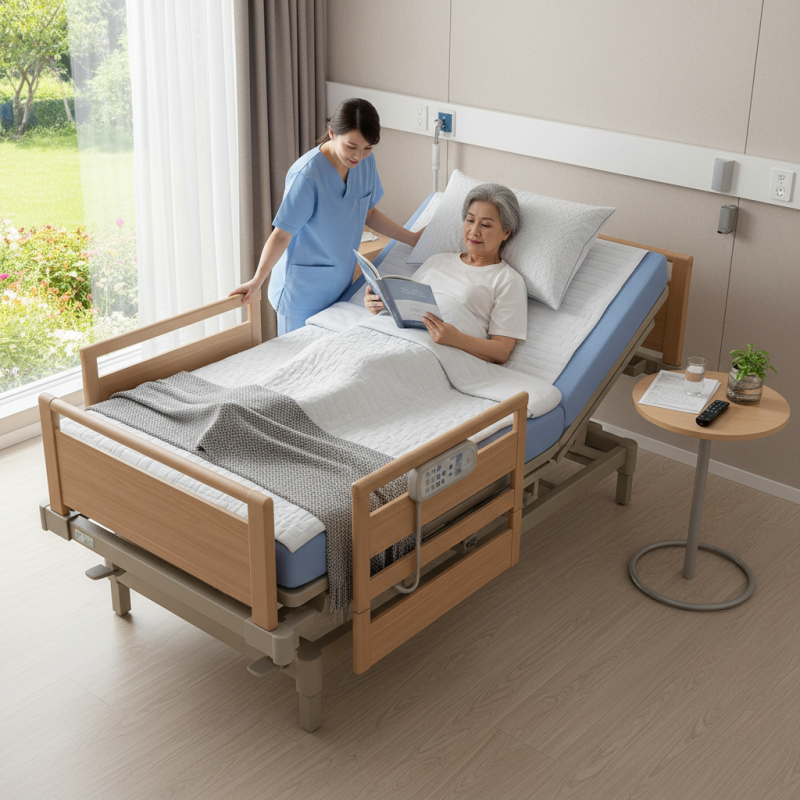
When choosing nursing home beds, understanding their features is crucial. These beds significantly impact residents' comfort and safety. According to a report from the American Health Care Association, proper bed features can reduce the risk of falls by 30%. Safety rails and adjustable heights are essential in ensuring that residents can get in and out of bed safely.
Comfort features also play a pivotal role in enhancing the quality of life. A study published in the Journal of Aging Research highlights that beds with pressure-reducing mattresses can decrease the incidence of bedsores by up to 50%. This is a critical concern for elderly patients, as bedsores can lead to serious complications. However, many facilities still overlook this vital aspect.
Moreover, some facilities may prioritize aesthetics over functionality. While a visually appealing room is engaging, it should not compromise health and safety. It's important to focus on evidence-based features that provide real benefits to residents. Nursing home administrators must integrate both aesthetics and features thoughtfully, ensuring a balance that promotes well-being.
When selecting nursing home beds, comfort features play a crucial role in ensuring residents' well-being. A recent survey by the National Center for Health Statistics found that nearly 80% of nursing home residents require mobility assistance. Hence, adjustable beds are essential. They allow caregivers to position the bed easily, enhancing comfort and accessibility for the residents.
Pressure relief systems are another critical feature. Research indicates that over 30% of long-term care residents develop pressure ulcers. Quality nursing home beds should include advanced pressure-relieving mattresses. These mattresses distribute weight evenly, reducing the risk of skin breakdown. Additionally, the right bed height is vital for both resident safety and caregiver convenience.
Beds should facilitate easy transfers in and out of bed, minimizing the risk of falls.
Wider sleeping surfaces can also impact comfort levels. A wider bed supports a better sleeping posture. Observations show that beds with a minimum width of 36 inches help improve sleep quality. It’s important to reflect on these features carefully. There’s a need to balance comfort with practicality and cost. Not every facility can afford top-tier options, and that can compromise care quality.
However, prioritizing essential features will lead to a more supportive environment for all residents.
When choosing nursing home beds, safety features are crucial. According to a report from the National Institute on Aging, falls account for approximately 30% of injuries among older adults in facilities. Bed design plays a key role in preventing such incidents. For instance, adjustable bed heights can reduce the risk of patient falls during transfers.
Another important feature is side rails. However, their effectiveness can vary. Studies show that while they can help prevent falls, they may also lead to entrapment issues. It’s essential to ensure that these rails meet safety guidelines, promoting both security and comfort.
Moreover, pressure relief mattresses are critical in preventing bedsores. Data from the Agency for Healthcare Research and Quality highlights that up to 20% of nursing home residents develop pressure ulcers. Investing in high-quality, pressure-relieving mattresses significantly decreases this risk, enhancing patient well-being. Making informed decisions about these features can greatly improve safety for residents.
When selecting nursing home beds, adjustability and functionality are critical factors. Beds should cater to the unique needs of residents. A study from the American Association of Nursing Homes indicates that adjustable beds can enhance comfort for up to 70% of residents. These beds can easily shift positions. Patients regain independence and mobility.
Customization is vital. Some residents may require specific features like side rails or pressure relief systems. A report by the National Institute on Aging found that properly adjusted beds reduce the risk of pressure ulcers by 30%. This can lead to fewer complications and better overall health outcomes.
However, not all facilities prioritize these features. Some nursing homes still use outdated models. They may overlook the potential benefits of fully functional beds. Feedback from caregivers points out that improved adjustability can significantly reduce strain during care tasks. This often leads to better experiences for both staff and residents. Investing in advanced bed technology can create an environment that promotes recovery and comfort.
When evaluating the cost and value of nursing home bed features, it's essential to consider both patient comfort and caregiver efficiency. Research from the National Institute of Health suggests that well-designed beds can significantly reduce the risk of bedsores, which affects roughly 2.5 million patients annually. Investing in beds that provide adjustable settings can enhance patient comfort.
Tips: Look for beds that offer easy adjustability. This feature can help staff lift patients more easily, reducing strain during transfers.
Moreover, the financial aspect cannot be overlooked. A recent study indicates that investing in quality nursing home beds can lead to lower long-term costs due to fewer hospital readmissions. Calculate the return on investment by considering both immediate costs and potential savings on care quality over time.
Tips: Always analyze maintenance costs when selecting beds. Some beds may have higher upfront costs but lower maintenance and repair needs over time.
| Feature | Description | Cost ($) | Value Rating (1-5) |
|---|---|---|---|
| Adjustable Height | Allows customization of bed height for resident comfort. | 1500 | 4 |
| Pressure Relief Mattresses | Helps in preventing bedsores for immobile patients. | 800 | 5 |
| Integrated Bed Rails | Provides safety and prevents falls. | 300 | 4 |
| VoIP Communication System | Allows residents to communicate easily with staff and family. | 600 | 3 |
| Emergency Nurse Call Buttons | For immediate access to nursing staff. | 200 | 5 |
| Underbed Lights | Illuminates the area under the bed to prevent falls at night. | 250 | 4 |
: Adjustability enhances comfort, helping up to 70% of residents. It promotes independence and mobility.
Custom features like side rails can prevent pressure ulcers. This enhances health outcomes for residents.
Outdated beds can overlook benefits, impacting resident comfort and recovery. They may also increase care difficulties.
Improved adjustability helps staff during transfers. This leads to better experiences for both caregivers and residents.
Quality beds may have higher upfront costs but reduce long-term expenses. Analyze potential savings from fewer hospital readmissions.
Well-designed beds can significantly lower the risk of bedsores affecting millions yearly. Patient comfort matters.
Consider beds with lower maintenance needs. Some may save money over time despite higher initial costs.
Caregiver insights highlight features that improve care efficiency and resident experiences. Their input can guide better choices.
When choosing the best features for nursing home beds, it's vital to prioritize comfort, safety, adjustability, and value. Understanding the importance of these features can significantly enhance the quality of care provided to residents. Key comfort features include adequate padding and support to prevent pressure sores, while safety features such as bed rails and non-slip surfaces are essential for maintaining patient well-being.
Additionally, adjustability and functionality allow for customized positioning, which is crucial for residents with varying health needs. Evaluating the cost against the value of these features is also important to ensure that the investment contributes positively to the overall care environment. Ultimately, when considering “What features should I look for in a nursing home care bed?” one should emphasize a balance between comfort, safety, and functional adaptability to enhance patient quality of life.

LDO Medical